
Şirince fruit wines
Hazar Şirince Şarapları
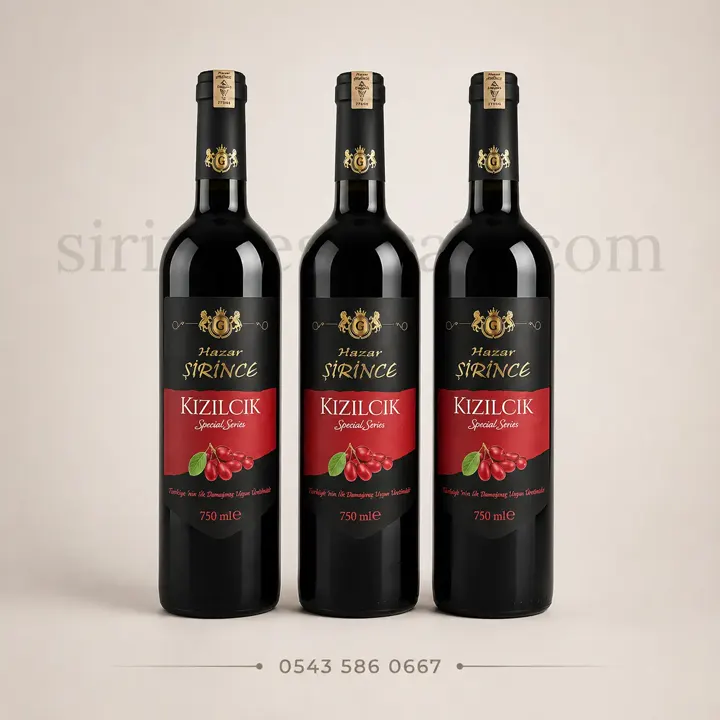
A series of fruit-based beverages reflecting the fruit wine tradition of the Şirince region, with a wide aromatic range from black mulberry to quince.
Technical details
- Producer
- Hazar
- Style
- Aromatic
- Grape / fruit
- Black Mulberry, Blackberry, Quince, Cranberry, Melon
- Origin
- Şirince
This page is for information only; nothing is sold or ordered here. For more details about the product, message us on WhatsApp.
Ask for infoAbout this product
Şirince, one of the Aegean's established viticulture and fruit processing centers, is known especially for fermented beverages made from raw materials other than grapes. Hazar Şirince Şarapları is a product group that represents the region's traditional fruit winemaking approach with various fruit types. The natural acidity and sugar balance of fruits such as black mulberry, blackberry, quince, and cranberry constitute the main parameters in the production process. The unique pulp structure and aromatic components of each fruit play a direct determining role in the intensity and texture of the final product.
Production and aromatic structure
The production technique of fruit wines is based on the principle of fruit sugar fermentation. Forest fruits like black mulberry and blackberry, included in the Hazar Şirince Şarapları series, exhibit a dark color and full-bodied character due to their anthocyanin content. Options such as quince and melon, on the other hand, are distinguished by more volatile aromas and lighter color tones. The natural tartness found in fruits like cranberry adds a characteristic sourness to the product's taste profile, neutralizing the sugar balance. Unlike classic Vitis Vinifera grape wines, these beverages have a structure that prioritizes the primary aromas of the fruit.
Label and serving information
The fruit names on the product labels indicate the dominant primary aromatic source. Fruit wines are structurally suitable for fresh consumption and are generally bottled shortly after the harvest year. To preserve the natural aromatic properties of the fruit during serving, it is recommended to present them at low temperatures. To prevent oxidation, once opened, they should be stored in a cool place with the cap closed and consumed shortly before losing their fruity character.
More from this category
Keep reading